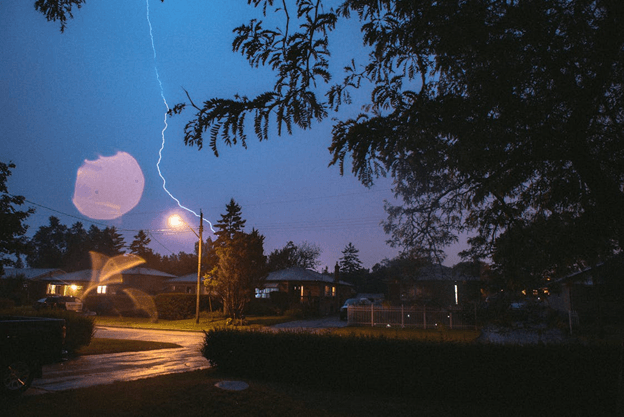
Storms have a way of revealing the vulnerabilities in a home. Whether it’s wind, hail, heavy rain, or falling debris, your roof and siding take the brunt of the impact. Even minor damage can grow into major structural issues if left unaddressed. Knowing what to look for, and when to call a professional roof and siding repair service like us, can save you thousands in repairs and protect the long-term integrity of your home.
This guide walks through a post-storm inspection, the most common signs of roof and siding damage, subtle indicators homeowners often miss, and the exact moment you should involve a qualified contractor.
Start With a Safe, Ground-Level Inspection
Safety should always be your first priority. Before climbing a ladder or attempting to check the roof up close, begin with a thorough walk around your property from the ground. This initial overview can help you spot obvious problems quickly.
Look For:
- Missing shingles or patches where the roof looks uneven.
- Pieces of shingles in the yard: granules, curled strips, or full shingles blown off.
- Damaged siding panels that appear cracked, warped, or torn away.
- Fallen tree branches or debris lying on or near the home.
- Water streaks running down walls or oddly damp areas that weren’t wet before the storm.
Even small signs like scattered granules or unusually shiny shingles can signal trouble beneath the surface.
Roof Damage: What Storms Leave Behind
Roof damage isn’t always dramatic. Some storms create subtle weaknesses that only become obvious weeks later, usually after leaks or mold begin forming. Here are the key types of storm-related roof damage to look for.
Wind Damage
High winds can lift shingles from their adhesive strip or remove them entirely.
Warning signs:
- Shingles that look lifted or wavy.
- Exposed underlayment or decking.
- Ridge caps that look crooked or loose.
Even if shingles appear to “settle back down,” once the seal is broken, they no longer protect your roof properly.
Hail Damage
Hail impacts create bruises that compromise shingle performance.
Warning signs:
- Circular dents or pockmarks on shingles.
- Dents on metal features like gutters, downspouts, flashings, and vents.
Hail damage often voids shingle protective layers, making leaks almost inevitable without repair.
Water Damage
Heavy rains can exploit even small vulnerabilities.
Warning signs:
- Water stains on ceilings or walls inside your home.
- Damp insulation in the attic.
- Visible drips or puddles around chimneys or vents.
Water infiltrates silently and spreads quickly across roofing layers, so any sign of dampness should be treated seriously.
Siding Damage: Equally Important and Often Overlooked
Your siding serves as a protective shell, shielding your home from wind, rain, pests, and temperature fluctuations. After a storm, it’s essential to give siding as much attention as the roof.
Wind-Related Siding Damage
Wind often creates pressure pockets that loosen siding panels.
Signs to watch:
- Panels that appear warped, loose, or rattling in the wind.
- Missing siding sections.
- Cracks around the edges of panels or trim.
A single loose panel can provide enough of an entry point for water and insects.
Hail Damage to Siding
Hail can leave cosmetic and structural issues.
Signs to watch:
- Small dents in aluminum siding.
- Cracks or holes in vinyl siding.
- Paint chipping or bubbling on wood siding.
- Chips or cracks in fiber cement boards.
Hail damage spreads quickly, especially on older siding that has become brittle with age.
When You Should Call a Professional
While a simple visual check is important, most storm-related roof and siding damage is not obvious without a trained eye. You should call a professional roofing and siding repair service if you notice any of the following:
Missing or Loose Shingles/Siding
Even one missing shingle or panel can expose layers underneath to moisture.
Signs of Water Infiltration
Ceiling stains, attic dampness, or soft spots on siding require immediate attention.
Hail Dents or Bruising
These weaken your roof or siding’s protective layers and almost always lead to future issues.
Debris Impact Damage
Any puncture, large dent, or visible crack is reason enough to call an expert.
Damage You Can’t Safely Reach
If the roof is steep, high, or requires climbing, leave it to professionals.
You Suspect Hidden Damage
If your property was in the path of a severe storm, especially hail or extreme wind, professional inspection is recommended even if you don’t see anything wrong.
Rely on Professional Roof and Siding Repairs After a Storm
After a storm, your roof and siding might look fine at first glance, but even the smallest signs of damage can become major headaches if ignored. A careful self-inspection is a smart first step, but calling a professional roofing and siding repair service is the safest way to ensure your home’s protective layers are fully intact.
Here at Roof Masters & Exteriors, we know that your home is one of your biggest investments. Taking a proactive approach after a storm ensures it stays safe, strong, and protected for years to come. Call us today if you are located in the Indianapolis area and we can help you uncover and treat storm-related issues.