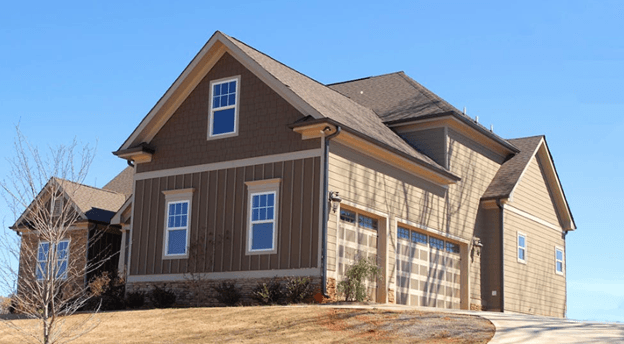
Replacing a roof is one of the most significant home improvement decisions a homeowner can make. It affects not only the appearance of your home, but also its structural integrity, energy efficiency, and long-term value.
Because it’s a major investment, it’s natural to have many questions before committing to a roof replacement. This roof replacement FAQ is designed to answer the most common and important questions homeowners ask, using clear and practical explanations to help you make informed decisions with confidence.
How do I know if my roof needs to be replaced?
A roof may need replacement if it shows widespread or persistent issues rather than isolated damage. Common signs include missing or curling shingles, large areas of granule loss, recurring leaks, sagging sections, or visible daylight through the attic roof deck. Age is also a key factor. Asphalt shingle roofs typically last 20 to 30 years, while other materials vary. If repairs are becoming frequent or costly, replacement is often the more economical long-term solution.
Can my roof be repaired instead of replaced?
In some cases, yes. Minor issues such as a few damaged shingles, flashing problems, or small localized leaks can often be repaired effectively. However, if damage is widespread, the roof is nearing the end of its lifespan, or moisture has compromised the underlying structure, repairs may only provide temporary relief. A professional inspection can help determine whether a roof repair or replacement is the better option.
How long does a roof replacement take?
Most residential roof replacements take one to three days, depending on the size of the home, roofing material, weather conditions, and complexity of the roof design. Larger homes, steep pitches, or specialty materials may require additional time. Preparation and cleanup are usually included in this timeframe, though unexpected structural repairs can extend the project.
Will I need to leave my home during roof replacement?
In most cases, homeowners can stay in their homes while the roof is being replaced. The process can be noisy, and vibrations may be noticeable, but it is generally safe. If you work from home, have pets sensitive to noise, or young children, you may want to make temporary arrangements during peak construction hours.
What time of year is best for replacing a roof?
Roof replacements can be done year-round in many regions, but spring, summer, and fall are often preferred due to more predictable weather. Mild temperatures help roofing materials seal properly. Winter installations are possible in some climates, but extreme cold, snow, or ice may cause delays or require special handling.
How much does a roof replacement cost?
The cost of a roof replacement varies widely based on roof size, material choice, labor rates, and any underlying repairs needed. Asphalt shingles are typically the most affordable option, while metal, tile, slate, and specialty systems cost more. Additional factors such as roof pitch, accessibility, and removal of old materials also affect the total cost.
What factors influence the price of a new roof?
Key cost factors include the type of roofing material, square footage, roof complexity, number of layers being removed, condition of the roof deck, ventilation upgrades, and local labor costs. Features such as skylights, chimneys, and valleys can increase labor time and materials, influencing the final price.
How do I choose the right roofing material?
Choosing the right roofing material depends on your budget, climate, home style, and long-term goals. Asphalt shingles are versatile and cost-effective. Metal roofs offer durability and energy efficiency. Tile and slate provide a distinctive look and long lifespan but require a strong structural foundation. A professional can help match material options to your home’s needs and your priorities.
How long will a new roof last?
Roof lifespan depends on material and maintenance. Asphalt shingles generally last 20 to 30 years. Metal roofs can last 40 to 70 years. Tile and slate roofs may last 50 to 100 years or more. Proper installation, adequate ventilation, and routine inspections significantly extend the life of any roof.
What happens to my old roof during replacement?
Most roof replacements involve removing the existing roofing materials down to the roof deck. This allows contractors to inspect for damage, rot, or moisture issues and make necessary repairs before installing the new roof. In some cases, building codes allow a new roof to be installed over an existing layer, but full removal is often recommended for long-term performance.
Will replacing my roof increase my home’s value?
Yes, a new roof can significantly increase home value and curb appeal. It reassures buyers that they won’t face major repairs soon and can improve energy efficiency and insurance eligibility. While a roof replacement may not always return its full cost at resale, it often delivers strong value through protection, aesthetics, and peace of mind.
Does a new roof improve energy efficiency?
A properly installed roof with modern materials and adequate ventilation can improve energy efficiency. Reflective roofing materials, improved insulation, and balanced airflow help regulate indoor temperatures, reducing heating and cooling demands. This can lead to more consistent comfort and lower energy costs over time.
What is roof ventilation and why does it matter?
Roof ventilation allows air to circulate through the attic, preventing heat and moisture buildup. Poor ventilation can shorten roof lifespan, cause ice dams, increase energy costs, and contribute to mold or rot. A roof replacement is an ideal time to assess and upgrade ventilation systems if needed.
Will a roof replacement be messy?
Roof replacement is a construction project, and some mess is unavoidable. However, professional crews like ours take steps to protect landscaping, siding, and windows. Debris is typically collected throughout the process, and magnetic tools are often used to pick up nails. A thorough cleanup should be part of the job.
What warranties come with a new roof?
Most new roofs include two types of warranties: a manufacturer’s warranty covering materials and a workmanship warranty from the contractor covering installation. Manufacturer warranties vary by product and may require specific installation standards. Understanding warranty terms is important to protect your investment.
How do I prepare my home for roof replacement?
Preparation may include moving vehicles away from the house, clearing items from the attic, covering valuables, and trimming nearby trees if needed. Removing wall decorations and securing fragile items can help prevent damage from vibrations during the installation process.
How do I choose a roofing contractor?
Look for a contractor near you with proper licensing, insurance, experience, and a strong local reputation. Clear communication, detailed estimates, and transparent timelines are important indicators of professionalism. A reputable contractor in your area should be willing to answer questions and explain the entire process. For those of you located in Indianapolis or in the surrounding areas such as McCordsville and Carmel, you can give us a call. We are experts when it comes to installing new roofs and can help make sure the job is done right.
Is roof replacement covered by insurance?
Insurance coverage depends on the cause of damage. Storm damage from hail, wind, or fallen debris is often covered, while general wear and aging typically are not. An inspection and documentation may be required to determine eligibility for a claim.
Need a Roof Replacement? Call the Experts
A roof replacement is a major decision, but it doesn’t have to feel overwhelming. Understanding the process, costs, materials, and long-term benefits helps you approach the project with clarity and confidence. Asking the right questions and working with experienced professionals like us ensures that your new roof provides lasting protection, comfort, and value for years to come. With proper planning and informed choices, a roof replacement becomes not just a necessary upgrade, but a smart investment in your home’s future.