As the air turns crisp and leaves begin to fall, homeowners everywhere start preparing their properties for the colder months ahead. While you might be focused on sealing windows, servicing your furnace, or insulating pipes, there’s one crucial part of your home that often gets overlooked—your roof.
A professional roof inspection in autumn or early winter is one of the most important steps you can take to protect your home from costly damage during the coldest time of the year.
Understanding why inspections are essential, and recognizing the warning signs that it’s time to search for a “roof repair near me”, can save you thousands of dollars and a great deal of stress.
Why a Roof Inspection Is Essential Before Winter
Cold Weather Weakens Roofing Materials
As temperatures drop, roofing materials such as asphalt shingles, sealants, and flashing can become brittle. This makes them more susceptible to cracking or splitting under stress, particularly during freeze-thaw cycles.
If small cracks or weak points already exist, they can worsen dramatically as snow and ice accumulate. An autumn inspection allows a professional to identify and repair these vulnerabilities before the cold weather sets in, preventing leaks and structural deterioration that might otherwise appear midwinter when repairs are more difficult—and more expensive.
Ice Dams Are Silent Roof Destroyers
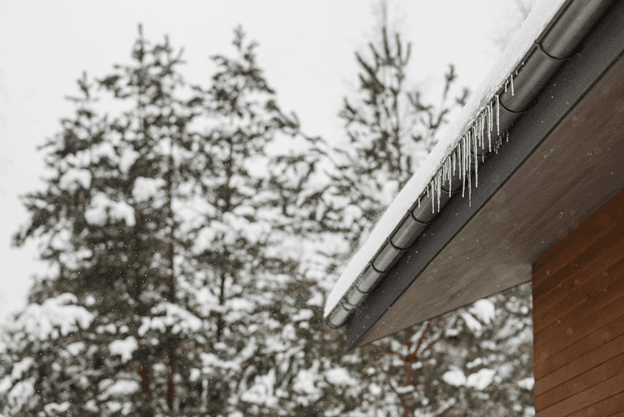
One of the biggest threats to your roof in winter is the formation of ice dams. These occur when heat from inside your home escapes into the attic, melting snow on the roof. The melted water flows toward the edges and refreezes there, forming a solid barrier.
Over time, melted snow pools behind the dam, seeping under shingles and into your attic or walls. The result can be extensive water damage, mold growth, and ruined insulation. A fall roof inspection can identify poor insulation, ventilation problems, or blocked gutters that contribute to ice dam formation, which will allow you to address these issues before the first snowfall.
Snow and Ice Add Weight and Stress
Snow might look beautiful blanketing your rooftop, but its weight can be destructive. As snow accumulates and refreezes, it can strain your roof’s structural integrity. Overloaded sections may sag or even collapse in extreme cases.
Loose or damaged shingles also become prime entry points for melting snow, which can leak into your attic or ceilings. A professional inspector can evaluate your roof’s strength, ensuring the framing and support structures are sound enough to handle whatever winter brings.
Gutters and Downspouts Need Attention
During autumn, falling leaves and small branches can easily clog your gutters. When winter precipitation arrives, these blockages can prevent water from draining properly.
Instead, water pools near the roofline or freezes in place, leading to further damage or leaks along the fascia boards and eaves. A seasonal inspection includes checking and cleaning gutters to ensure proper drainage and prevent water from backing up under your shingles.
High Winds Can Tear Away Shingles or Flashing
Autumn and winter storms often bring powerful gusts that can loosen or rip away shingles and flashing. When that happens, rain, snow, and cold air can quickly infiltrate your home. An inspector will check for any shingles that are lifting, curling, or missing.
They can also inspect metal flashing around chimneys, skylights, and vents to make sure it’s tightly secured. Addressing these small issues early helps prevent much larger ones later, such as leaks or even internal water damage.
Signs You Need to Search for a “Roof Repair Near Me”
Even if you haven’t noticed major problems, subtle warning signs can indicate that your roof is starting to fail. Being proactive about these red flags can help you find a reputable repair service before the weather turns severe.
Visible Leaks or Stains Indoors
If you see brown stains on ceilings or walls, it’s a sign that water is seeping through your roof. Even small leaks can cause mold and structural decay over time.
Missing, Cracked, or Curled Shingles
Damaged shingles expose the underlayment to moisture, speeding up the deterioration process. If your shingles look uneven or worn, it’s time to call a professional.
Granules in the Gutters
Asphalt shingles naturally shed granules as they age, but an excessive buildup in your gutters is a signal that your roof’s protective surface is breaking down.
Sagging or Uneven Rooflines
A sagging area could indicate moisture damage in the decking or weakened structural supports, both urgent issues to fix before heavy snow arrives.
Clogged Gutters and Downspouts
Overflowing gutters or visible plant debris along the roof’s edge are clear signs that water flow is being restricted, which could lead to leaks or ice buildup.
Drafts or Rising Heating Bills
Cold air entering your home through the attic or roofline often means there are gaps or insulation failures. A roof inspection can pinpoint where the air is leaking out.
The Benefits of Acting Now
Scheduling a roof inspection with us here at Roof Masters & Exteriors in the autumn ensures you can make repairs before the harshest weather arrives. Your roof is your home’s first line of defense against the elements.
A fall or early-winter roof inspection identifies hidden weaknesses before they evolve into major issues, saving you from expensive repairs and ensuring your family stays warm and dry. If you notice leaks, missing shingles, clogged gutters, or rising energy costs, don’t wait.
Your search for a trusted “roof repair near me” in the Indianapolis area is complete: just make an appointment with our team of experts and we will help to make sure your roof is winter ready.