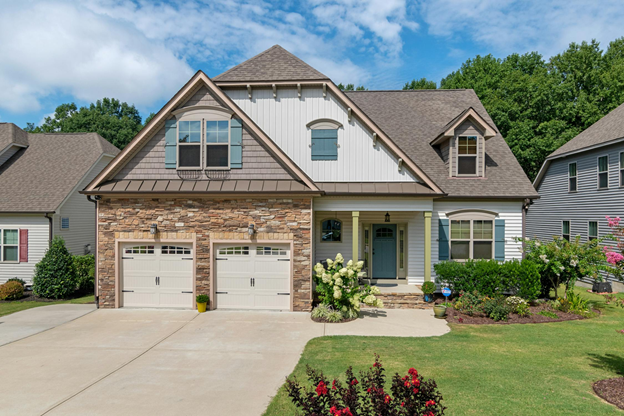
Your roof is one of the most important components of your home. It protects you and your family from the elements, adds curb appeal, and impacts your energy efficiency. But like all things, roofs age and eventually require attention, whether that means a full roof replacement or a simpler re-roofing job. The challenge for many homeowners lies in understanding the difference between the two and knowing which solution is best for their situation.
This comprehensive guide breaks down everything you need to know about re-roofing versus roof replacement so you can make an informed, confident decision when it’s time to restore your home’s crown.
What Is Re-Roofing?
Re-roofing is the process of installing a new layer of shingles over your existing roof. It’s often referred to as an "overlay" and is considered a quicker, less expensive alternative to a new roof installation or replacement. The key requirement for re-roofing is that your existing roof must be in relatively good condition. That means no major water damage, no sagging, and only minor issues like a few cracked or missing shingles.
Because you're not tearing off the old roofing materials, re-roofing saves on labor, disposal costs, and time. It’s like giving your home a facelift without doing reconstructive surgery.
However, there are limitations. You can only re-roof once; building codes typically don’t allow more than two layers of roofing due to weight concerns. Additionally, re-roofing doesn’t allow your roofer to inspect and repair the underlying deck. If there are hidden problems beneath your existing shingles, re-roofing may only mask them temporarily.
What Is a Full Roof Replacement?
Roof replacement is the complete removal of your existing roof down to the deck (the wood structure underneath the shingles), followed by the installation of brand-new underlayment and roofing material. This method allows your contractor to inspect the integrity of the roof structure, replace any rotten or damaged wood, and ensure everything is up to code.
While it is more expensive and time-consuming, a new roof replacement provides the highest level of protection and longevity. It’s a fresh start for your roof and an opportunity to upgrade to more modern, efficient materials.
A replacement is required if your roof is showing signs of serious wear, such as widespread leaks, sagging, mold, rot, or if the roof is already layered with one or more previous re-roofs. It's also the better option if you plan to stay in your home long-term and want to maximize its resale value and performance.
Key Factors to Consider
Roof Age
If your roof is nearing the end of its expected lifespan (typically 20–30 years for asphalt shingles), replacement is the smarter investment. A re-roof might only extend the life by 5–10 years, which may not be worth the cost.
Existing Roof Condition
Minor cosmetic issues can often be fixed with a re-roof, but signs of water intrusion, mold, rot, or structural damage require a full replacement. Never re-roof over active leaks or mold, you’ll just trap the moisture and worsen the damage.
Budget Constraints
Re-roofing can save 25–40% compared to a full replacement, making it a tempting option for those on a tight budget. However, you must weigh short-term savings against long-term performance. Sometimes, a lower initial cost ends up being more expensive over time due to repairs and premature failure.
Curb Appeal and Property Value
A replacement provides a cleaner, more polished appearance. It also allows for uniform installation without the “layered” look that sometimes accompanies re-roofing. If you’re preparing to sell your home, a full replacement can significantly boost your home's marketability and appraisal value.
Roofing Material
Some roofing materials like tile or slate are not candidates for re-roofing due to their weight and installation methods. Asphalt shingles are the most common material for re-roofing. If you want to switch to a new roofing system—like from asphalt to metal—a full replacement is necessary.
Pros and Cons Summary
Re-Roofing Pros:
- Lower cost
- Faster project timeline
- Less labor-intensive
- Minimal disruption
Re-Roofing Cons:
- Doesn’t address underlying issues
- Shorter lifespan extension
- Can’t be done more than once
- May void warranties on some roofing products
Roof Replacement Pros:
- Comprehensive fix
- Long-term durability
- Increased home value
- Better warranties available
- Allows for new material choices
Roof Replacement Cons:
- Higher cost
- More labor and time
- Requires complete tear-off and disposal
Signs You Need a Full Roof Replacement
- Multiple or widespread leaks
- Sagging roof lines
- Rotting wood or mold
- Over 20 years old (for asphalt shingles)
- Granule loss or bald patches
- Daylight visible through the attic
- Two or more layers already in place
Which One Is Right for You?
Choosing between re-roofing and new roof installation isn’t just about budget, it’s about long-term peace of mind. Re-roofing is suitable for homeowners looking for a temporary fix or cosmetic upgrade on a roof that is otherwise sound. Roof replacement is ideal for those who want a clean slate, maximum lifespan, and the security of knowing their home is thoroughly protected.
When in doubt, always consult a reputable roofing contractor like us. A professional inspection will help you understand the true condition of your roof and offer honest guidance. Here at Roof Masters & Exteriors, we specialize in both the installation of new roofs as well as re-roofs or simple roof repair. Our roofing company services Indianapolis and the surrounding areas, so if you are located in our area, contact us for more information. Remember, your roof is an essential part of your house, and if you don’t take care of it, the costs and hassle will only add up. Whether you’re looking for a quick fix or something more comprehensive, trust us to assess the situation and offer the solution you need.