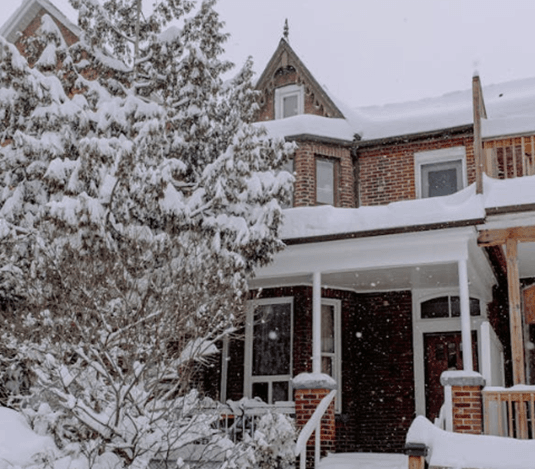
Winter puts your home to the test like no other season. Heavy snow, freezing rain, ice dams, and rapid temperature shifts can turn a healthy roof into a costly liability seemingly overnight. While roofing systems are built to withstand the elements, they are not indestructible, and winter introduces unique stressors that require proactive attention. Protecting your roof during the colder months is not only a matter of preventing leaks; it is about preserving the structural integrity of your home, maintaining energy efficiency, and avoiding major repair bills once spring arrives.
This guide provides a detailed overview of the most common winter roofing threats, the signs of developing problems, and the preventative measures homeowners can take to safeguard their roofs all season long, as well as when to seek professional roofing services from a qualified specialist like us.
Understanding the Main Winter Threats to Your Roof
Snow Accumulation
Snow load places tremendous pressure on roofing structures. While most roofs are engineered to hold weight, excessive accumulation, especially wet, heavy snow, can stress rafters, cause sagging, and worsen small vulnerabilities that already exist. Uneven snow distribution can also create imbalances that contribute to localized damage.
Ice Dams
Ice dams form when warm air from inside the home melts snow on the roof, which then refreezes at the colder edges. These frozen ridges trap water behind them, forcing it under shingles and into the roof deck. Ice dams are one of the leading causes of winter roof leaks and structural deterioration.
Freeze–Thaw Cycles
Water that seeps into tiny cracks during the day can freeze at night, expanding as it turns to ice. Repeated freeze–thaw cycles widen those cracks, loosen shingles, and compromise flashing around chimneys, vents, and skylights.
High Winds
Winter storms often bring powerful gusts that can lift shingles, expose the underlayment, or tear away loose flashing. Once even a small section of roofing material is displaced, the surrounding area becomes more susceptible to wind intrusion.
Condensation and Attic Moisture
Improper ventilation in the attic can trap warm, moist air. During winter, this moisture condenses on cold roof surfaces, leading to mold growth, wood rot, and reduced insulation effectiveness. A roof can appear sound from the outside while suffering hidden structural damage from within.
Essential Steps to Protect Your Roof Before Winter Hits
The best winter protection begins in fall. Establishing a seasonal upkeep routine prevents minor issues from becoming major emergencies once temperatures drop.
Schedule a Roofing Inspection
A professional roof inspection identifies worn shingles, damaged flashing, loose gutters, and early signs of structural decline. Catching these vulnerabilities before winter storms arrive strengthens your roof against incoming weather.
Clear Debris From the Roof and Gutters
Leaves, branches, and dirt prevent proper drainage, increasing the risk of ice dams and standing water. Clean gutters ensure melting snow flows off the roof efficiently instead of backing up under the shingles.
Trim Back Overhanging Branches
Branches that hang over the roof can break under the weight of snow and ice. Even small pieces can puncture shingles or clog gutters. Trimming them back reduces both physical damage and debris accumulation.
Check and Improve Attic Insulation
A well-insulated attic keeps warm indoor air from reaching the roof surface. This temperature regulation is critical for preventing ice dams and controlling monthly heating costs.
Upgrade or Repair Roof Ventilation
Soffit vents, ridge vents, and attic fans help maintain steady airflow throughout the attic. Good ventilation prevents condensation, regulates temperature, and prolongs the life of the roofing materials.
Ongoing Winter Maintenance to Keep Your Roof Safe
Winter maintenance is less about climbing onto the roof and more about monitoring conditions and responding quickly when problems start to form.
Clear Excessive Snow Safely
Removing deep snow reduces excess weight and prevents ice dam formation. Use a long-handled roof rake from the ground to pull snow down the slope. Avoid metal tools that can scrape shingles or expose the underlayment.
Watch for Ice Buildup
If icicles or thick bands of ice begin forming at the edges of your roof, take it as an early sign of ice dam activity. Addressing it immediately prevents long-term moisture intrusion.
Monitor Indoor Ceilings and Walls
Water stains, peeling paint, or unexpected moisture in the attic are all warnings that melting snow has breached the roof system. Early detection can prevent extensive interior repairs.
Check Attic Temperature Regularly
Your attic should remain close to outdoor temperatures. If it is noticeably warmer, heat is escaping from your home and reaching the roof, a major contributor to winter roofing problems.
Long-Term Measures to Strengthen Your Roof Against Winter Damage
Investing in long-term roofing improvements can reduce maintenance needs and significantly increase the durability of your home.
Upgrade to High-Performance Shingles
Modern shingles are designed to resist wind uplift, shedding ice more efficiently and maintaining structural integrity under harsh winter conditions.
Improve Home Energy Efficiency
Better insulation, sealed air leaks, and upgraded windows work together to prevent heat from escaping into the attic. This not only helps with winter roofing protection but also reduces energy bills.
Replace Aging Flashing and Vent Boots
Metal flashing and vent boots wear down over time. Replacing them strengthens your roof’s weakest seals, particularly around chimneys and skylights, where leaks are most likely.
Commit to Annual Maintenance
Consistent, yearly roof upkeep is one of the most reliable ways to prevent winter damage. A roof that is continually monitored and maintained is far less likely to experience surprise failures during harsh weather.
When to Call a Professional
While homeowners can manage many preventative steps, some situations require expert attention:
- Persistent ice dams that reappear even after clearing
- Sagging sections of the roof deck from heavy snow
- Interior leaks appearing suddenly during a thaw
- Missing or damaged shingles after heavy winter winds
- Evidence of mold, condensation, or wood rot in the attic
Professional roofers like us bring experience, diagnostic tools, and safety equipment that homeowners typically do not have. Prompt intervention prevents escalating problems and protects the lifespan of your roofing system. If you are located in or around Indianapolis and want to make sure your roof is winter-ready, or if you are in immediate need of roofing repair or other services, give us a call at 317-364-9511. Here at Roof Masters & Exteriors, we understand what to look for and how to fix a number of roof problems, both common and unconventional.
Winter is one of the harshest seasons for your roof, but with the right preparation and consistent monitoring, you can dramatically reduce the risk of damage. From clearing gutters to improving attic insulation, each preventative step supports the others, creating a stronger, more resilient roofing system.
Whether you are facing your first winter as a homeowner or simply updating your seasonal maintenance routine, the key is staying proactive. By taking action before, during, and after winter, you ensure that your roof remains dependable, efficient, and secure for many years to come.