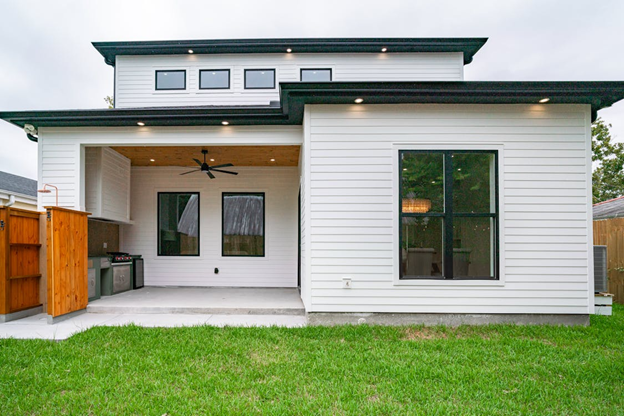
Your home's siding is more than just its outer appearance, it's the protective armor that shields the structure from wind, water, and extreme temperatures. It enhances energy efficiency, prevents moisture intrusion, and boosts curb appeal. But like any component of a home, siding wears down over time. Recognizing when it needs professional attention can prevent more expensive repairs down the line.
In this comprehensive guide, we’ll explore the key signs it's time to call a siding contractor for repairs, and why acting early matters.
Why Siding Matters
Before diving into warning signs, it’s important to understand the vital role siding plays in your home’s structural integrity and livability:
- Insulation & Energy Efficiency: Siding helps regulate internal temperature by keeping heat inside during winter and outside during summer.
- Moisture Defense: It forms a barrier against rain, snow, and humidity—preventing mold, rot, and internal water damage.
- Curb Appeal & Value: Clean, intact siding enhances the visual aesthetics of your home and increases resale value.
- Pest Deterrent: Well-maintained siding keeps insects, rodents, and birds from entering your home.
Top Signs It’s Time to Call a Siding Contractor
Cracks, Chips, or Holes in the Siding
Small cracks or holes in your siding—whether vinyl, wood, fiber cement, or aluminum—may seem harmless at first. But these imperfections can:
- Allow water to seep behind the panels
- Become entry points for pests
- Lead to structural decay over time
If you notice even a few visible cracks or holes, especially after a storm or harsh season, it's time to schedule an inspection.
Warped or Buckling Panels
Siding should lie flat against your home. If you see bulging, bowing, or panels pulling away:
- It may signal moisture intrusion and rotting beneath the surface
- It could also indicate improper installation or thermal expansion issues
- Warping often accelerates if left unaddressed
A siding contractor can determine the underlying cause and recommend repairs or replacements.
Rotting or Soft Spots
Wood and fiber cement siding are particularly susceptible to rot if not sealed or painted regularly. You may notice:
- Discoloration, crumbling textures, or mushy spots
- A musty smell near the affected area
- Sagging panels or peeling paint
Rot can spread quickly and may damage the sheathing underneath, so immediate professional attention is crucial.
Fungus, Mold, or Mildew Growth
The presence of mold or mildew on your siding—especially near seams or lower portions of your home—can be a red flag. While some surface mold may wash away, persistent growth often means:
- Moisture is trapped behind your siding
- There may be leaks or improper drainage
- Your home's waterproof envelope may be compromised
Professional house siding contractors can help determine the source and prevent recurrence with proper repairs.
High Energy Bills
An unexpected spike in your heating or cooling bills can sometimes be traced back to damaged or outdated siding. Poor insulation due to:
- Cracks
- Gaps in caulking
- Deteriorating material
...means your HVAC system has to work harder. A siding pro can evaluate insulation levels and suggest energy-efficient upgrades or sealing.
Loose or Missing Panels
After a storm or years of wear and tear, it’s not uncommon for individual panels or shingles to come loose. Look for:
- Gaps where siding has shifted or fallen
- Unusual flapping noises in windy conditions
- Exposed nails or sheathing
This leaves your home vulnerable to moisture and pests. A contractor can re-secure or replace the affected sections.
Interior Wall Issues
Sometimes, siding damage shows up inside your home. Be on the lookout for:
- Bubbling or peeling paint
- Water stains or discoloration
- Damp walls or strange drafts
These could signal that moisture is breaching your home’s exterior barrier—and your siding may be the culprit.
Fading or Discoloration
While fading is normal over time, sudden or uneven discoloration can suggest:
- UV damage
- Water damage beneath the surface
- A breakdown in protective coatings
This is especially true with older vinyl or painted wood siding. While not always urgent, excessive fading may be a sign your siding is nearing the end of its lifespan.
Noisy Siding
Strange creaking, popping, or rattling sounds in windy or sunny weather may be more than just house-settling. These sounds often mean:
- Loose fasteners or warped panels
- Expansion gaps weren’t properly accounted for during installation
- Thermal movement stress
A professional siding contractor like us can assess and correct the fit or securement before the damage worsens.
How Often Should Siding Be Inspected?
To stay ahead of problems, it's recommended that homeowners:
- Perform a visual check twice a year (spring and fall)
- Schedule a professional inspection every 2–3 years
- Check siding after major storms, especially hail, hurricanes, or wind events
Catch issues early, and you'll likely avoid full replacements or structural damage.
When Repairs Aren’t Enough: Considering Siding Replacement
Sometimes repairs won’t be sufficient, especially if:
- Over 20% of the siding is damaged
- The material is outdated and no longer as energy efficient
- There's widespread rot or mold
- Repairs would cost close to the price of new siding
Professional siding repair contractors like us can help you weigh the costs and benefits of partial repairs vs. full replacement—often including newer materials with better performance and warranty options.
Why Hire a Professional Siding Contractor
DIY patch jobs might seem tempting, but siding repairs often require:
- Climbing and safety equipment
- Precision installation to avoid leaks
- Material-matching expertise
- Knowledge of local codes and weather demands
Hiring a licensed, experienced siding contractor like Roof Masters & Exteriors helps to ensure:
- A thorough inspection of both visible and hidden damage
- Proper sealing and protection from future weather
- Improved home value and performance
Trust the Signs: Protect Your Home
Siding is your home's first line of defense. Whether it’s a subtle crack, an unexplained draft, or warping you’ve never noticed before, it’s wise not to ignore the signs. If you're unsure, get a professional siding evaluation. The cost of a consultation is small compared to the high expense of neglected damage.
Your home deserves to be protected, and knowing when to call a siding contractor is a smart first step in safeguarding your investment. If you think your siding could use a refresh or a complete replacement, and you’re located in or around Indianapolis, Greenfield, Carmel, or the surrounding areas, give us a call at 317-364-9511. We have extensive siding experience and can help you navigate any issues or concerns.