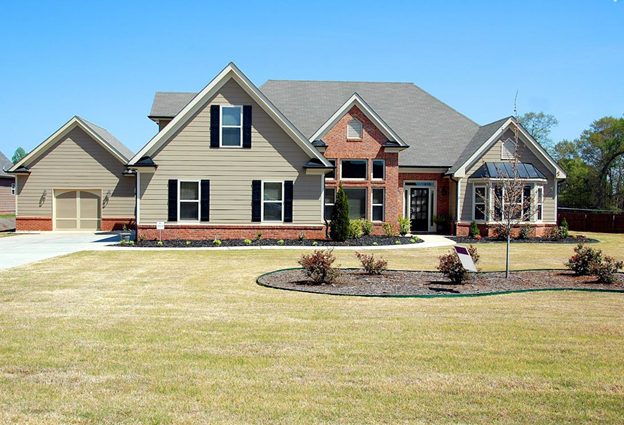
Siding plays a much larger role than most homeowners initially realize. Beyond defining the exterior look of a home, siding protects the structure from weather, contributes to energy efficiency, and impacts long-term maintenance costs.
Whether you’re evaluating the condition of your existing siding or planning a full exterior upgrade, the following frequently asked questions cover what homeowners most often want to know about siding, its upkeep, and when house siding repairs or replacement makes sense.
What is the primary purpose of house siding?
House siding serves as the home’s first line of defense against the elements. It protects the underlying structure from rain, snow, wind, heat, and UV exposure while helping regulate indoor temperatures. At the same time, siding defines the visual character of the home, influencing curb appeal and overall value.
How long does house siding typically last?
The lifespan of siding depends on the material, climate, installation quality, and maintenance. Some siding systems can last decades when properly cared for, while others may need attention sooner in harsh environments. Regular inspections and basic upkeep can significantly extend the life of any siding.
How can I tell what type of siding my home has?
Most homeowners can identify siding by visual characteristics such as texture, panel shape, and seams. Wood siding often shows natural grain and may be painted or stained. Vinyl siding typically has consistent panel profiles and visible seams. Fiber cement resembles wood but feels denser and more rigid. If you’re unsure, a professional inspection can confirm the material and condition.
How often should siding be inspected?
Siding should be visually inspected at least once a year and after major weather events such as storms or heavy winds. Look for cracking, warping, loose panels, moisture staining, or areas where caulking has failed. Early detection of small issues helps prevent more expensive repairs later.
What are the most common signs of siding damage?
Common warning signs include cracked or broken panels, loose or missing pieces, bubbling or blistering under paint, fading or uneven coloration, soft spots, mold or mildew growth, and moisture intrusion near seams or corners. Inside the home, peeling paint or water stains near exterior walls may also indicate siding issues.
Is fading a sign that siding needs to be replaced?
Fading alone does not necessarily mean siding has failed structurally. It often indicates long-term sun exposure. However, significant fading can be a sign that the siding is nearing the end of its useful life or that protective coatings are wearing thin, making the material more vulnerable to damage.
Can siding be repaired, or does it always need replacement?
Minor damage can often be repaired, especially if it’s limited to a small area. Individual panels or boards may be replaced without removing the entire system. However, widespread damage, repeated repairs, or underlying moisture issues often indicate that full replacement is more cost-effective in the long run.
How do I know when it’s time to replace siding instead of repairing it?
Replacement is usually the better option when damage is extensive, when repairs are becoming frequent, or when the siding no longer provides adequate protection. Rot, warping, persistent moisture problems, and structural deterioration behind the siding are strong indicators that replacement should be considered.
Does siding affect energy efficiency?
Yes, siding plays a role in insulating the home and reducing air infiltration. Older or damaged siding may allow drafts and moisture to enter, making heating and cooling systems work harder. Modern siding systems often include improved insulation options that can help stabilize indoor temperatures and reduce energy costs.
How does climate affect siding performance?
Climate has a major impact on siding longevity. Homes in areas with extreme heat, intense sun, heavy rainfall, snow, or freeze-thaw cycles place greater stress on siding materials. Choosing a siding material suited to the local climate and maintaining it properly helps ensure durability.
How much maintenance does siding require?
Maintenance requirements vary by material, but all siding benefits from routine care. Basic maintenance includes periodic cleaning, checking for damage, keeping vegetation trimmed away, and ensuring proper drainage around the home. Addressing small issues promptly helps avoid larger problems.
How should siding be cleaned?
Siding should generally be cleaned once a year or as needed to remove dirt, pollen, and mildew. Gentle washing methods are usually sufficient. Aggressive cleaning techniques or harsh chemicals can damage siding and shorten its lifespan, so care should be taken to use appropriate methods for the material.
Can moisture behind siding cause problems?
Yes, trapped moisture can lead to mold growth, wood rot, and structural damage. Proper installation, flashing, and ventilation are essential to allow moisture to escape. If moisture problems are present, simply replacing visible siding may not be enough without addressing the underlying cause.
Will new siding increase my home’s value?
New siding often improves curb appeal and can positively impact resale value. A well-maintained exterior signals to buyers that the home has been cared for, reducing concerns about hidden issues. In many cases, updated siding makes a home more attractive and competitive in the market.
How long does siding installation typically take?
Installation time varies depending on the size of the home, the material being installed, and whether old siding needs to be removed. Most residential projects can be completed in several days, though complex designs or repairs to underlying structures may extend the timeline.
Should old siding always be removed before installing new siding?
In some cases, new siding can be installed over existing materials, but this depends on local building codes, the condition of the old siding, and the type of new siding being used. Removing old siding allows contractors to inspect and repair the underlying structure, which is often beneficial.
What role does siding play in protecting against pests?
Properly installed and maintained siding helps seal gaps and entry points that pests might use to enter the home. Damaged or poorly sealed siding can create openings for insects, rodents, and other animals, leading to additional problems inside the home.
Can siding problems lead to interior damage?
Yes, compromised siding can allow water and air to enter the walls, leading to insulation damage, mold growth, and interior wall issues. Addressing siding problems early helps protect the entire structure of the home.
How often should siding be repainted or refinished?
Repainting or refinishing schedules depend on the siding material and exposure to the elements. Some materials require periodic repainting to maintain protection, while others are designed to retain their finish for many years. Monitoring the condition of the surface coating helps determine when maintenance is needed.
Is it better to replace siding before it completely fails?
Replacing siding before major failure often prevents costly structural repairs. Waiting too long can allow moisture and damage to spread behind the siding, increasing both the scope and cost of the project. Proactive replacement is often the safer long-term choice.
How do I choose the right siding for my home?
Choosing siding involves balancing aesthetics, durability, maintenance needs, climate suitability, and budget. Consider how long you plan to stay in the home, how much maintenance you’re willing to perform, and the overall style you want to achieve. Consulting a professional can help align these factors with the right solution.
Should siding replacement be done by a professional?
While some minor repairs may be handled by experienced homeowners, siding replacement is typically best left to professionals like us. Proper installation is critical to performance, and mistakes can lead to moisture problems, reduced lifespan, and code violations.
How can I extend the life of my siding?
Routine inspections, regular cleaning, prompt repairs, proper drainage, and keeping plants and debris away from exterior walls all contribute to longer-lasting siding. Taking a proactive approach to maintenance helps ensure your siding continues to protect and enhance your home for years to come.
What is the biggest mistake homeowners make with siding?
One of the most common mistakes is ignoring small problems until they become major issues. Cracks, loose panels, or moisture stains may seem minor at first, but they often indicate underlying problems that worsen over time. Addressing issues early is the key to preserving both siding and the structure beneath it.
Need New Siding? Give Us a Call
House siding is an investment in both protection and appearance. By understanding how siding works, what signs to watch for, and when replacement makes sense, homeowners can make informed decisions that protect their property and maintain its value over the long term.
For homeowners located in the Indianapolis area and are looking for siding repair or even replacements, you can count on us. Serving Carmel, Noblesville, McCordsville, and all over greater Indianapolis, Roof Masters & Exteriors has extensive experience when it comes to installing and repairing house siding. Contact us today to learn more about our services.