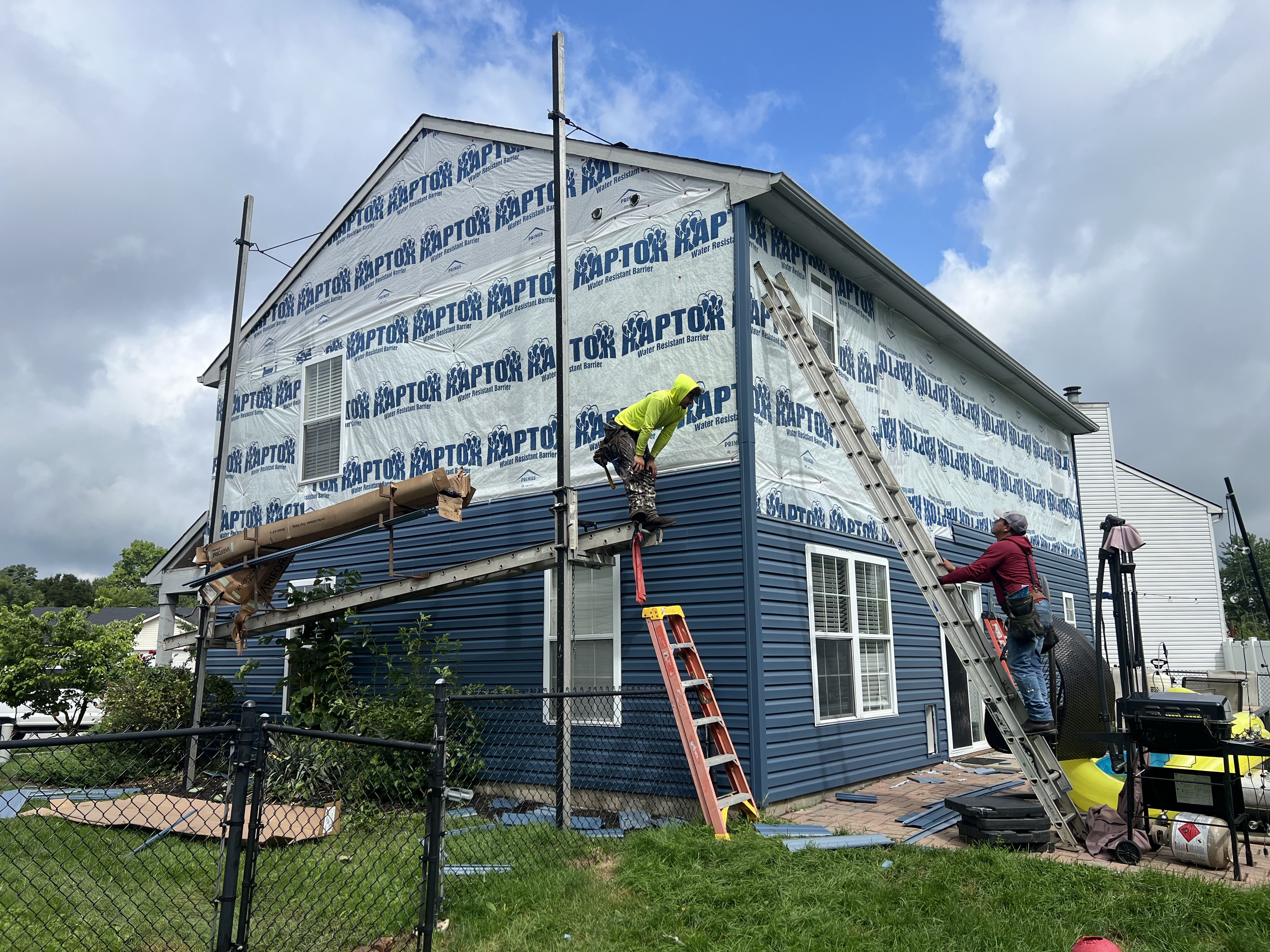
What Is Included in a Full Siding Replacement in Indianapolis?
A full siding replacement involves more than installing new panels over the exterior of a home. The existing siding must be evaluated, damaged materials may need to be removed and the wall system must be properly protected against water and weather.
Roof Masters & Exteriors provides complete siding replacement in Indianapolis, Fishers, Carmel, Noblesville, Lawrence, Westfield, Zionsville and surrounding Central Indiana communities.
Here is what homeowners should expect from a complete siding-replacement project.
Inspecting the Existing Exterior
The first step is inspecting the existing siding, trim and other exterior components.
Common reasons homeowners consider full replacement include:
Cracked, loose or missing siding
Storm or wind damage
Rot or moisture problems
Fading and permanent discoloration
Warped or buckled panels
Repeated repairs in multiple areas
Outdated siding that affects curb appeal
Poor insulation or noticeable drafts
A few damaged panels may only require repair. Widespread deterioration, mismatched replacement materials or problems affecting multiple walls may make complete replacement the better long-term option.
Removing the Existing Siding
A proper replacement may require removing the existing siding so the wall surface underneath can be inspected.
Tearing off the old material can reveal hidden problems such as deteriorated sheathing, trapped moisture or previous installation mistakes. Identifying these conditions before installing new siding helps prevent old problems from being covered up.
The amount and type of material being removed can affect the project scope and final cost.
Inspecting the Wall Sheathing
The sheathing provides the solid surface behind the siding. It must be in suitable condition before the new exterior system is installed.
Soft, rotted or damaged areas should be repaired or replaced. Installing new siding over deteriorated sheathing can create fastening problems and allow moisture damage to continue.
If concealed damage is discovered after tear-off, the contractor should explain the problem and the recommended repair before continuing.
Installing House Wrap and Moisture Protection
House wrap creates an important protective layer behind the siding. It helps resist water intrusion while allowing moisture vapor to escape from the wall system.
Seams, openings and transitions must be handled correctly. Improperly installed house wrap can leave gaps that allow water to reach the sheathing.
The siding itself is not the home’s only defense against moisture. The materials and workmanship behind it are equally important.
Flashing Windows, Doors and Wall Openings
Windows, doors, utility penetrations and other openings require careful flashing.
These areas are common entry points for water when the original siding or flashing was installed incorrectly. A complete replacement should address the transitions around openings instead of simply covering the existing details.
Proper flashing directs water away from vulnerable areas and helps protect the wall system.
Choosing the New Siding
Homeowners have several siding options depending on their goals, budget and preferred appearance.
Roof Masters & Exteriors installs:
Traditional vinyl siding
Insulated siding
James Hardie fiber-cement siding
Other durable full-siding systems
Vinyl siding offers a wide selection of colors and profiles with relatively low maintenance. Insulated siding adds a layer of rigid foam that can improve durability and energy performance. James Hardie siding provides the appearance of painted wood with strong resistance to weather, pests and fire.
The best option depends on the home, desired appearance and long-term expectations.
Replacing Trim and Exterior Accessories
A finished siding project also includes the components surrounding the siding panels.
Depending on the home, this may involve:
Inside and outside corner posts
Window and door trim
Starter strips
Utility blocks
Light and outlet mounting blocks
Gable vents
Soffit and fascia
J-channel and other finishing pieces
These details affect both appearance and weather protection. Reusing damaged, faded or incompatible accessories can take away from an otherwise complete replacement.
Proper Installation and Fastening
Siding must be installed so it can expand and contract as temperatures change.
Panels installed too tightly may buckle or warp. Incorrect fasteners, improper spacing or poorly finished transitions can also lead to movement and water problems.
An experienced siding installer follows the manufacturer’s requirements for fastening, spacing, overlaps and clearances.
Cleanup and Final Inspection
Once installation is complete, the crew should remove discarded siding, packaging, fasteners and other project debris.
A final inspection should confirm that the siding is properly aligned, openings are finished, accessories are secure and the property has been cleaned.
Roof Masters & Exteriors performs a final review so homeowners can see the completed work and address any questions.
Full Siding Replacement in Central Indiana
A complete siding replacement can improve weather protection, energy performance and curb appeal while reducing the need for repeated repairs.
Roof Masters & Exteriors provides full siding replacement in Indianapolis and surrounding Central Indiana communities. We are licensed, bonded and insured and have served area homeowners since 2011.
Call 317-364-9511 or request a free full-siding replacement estimate today.